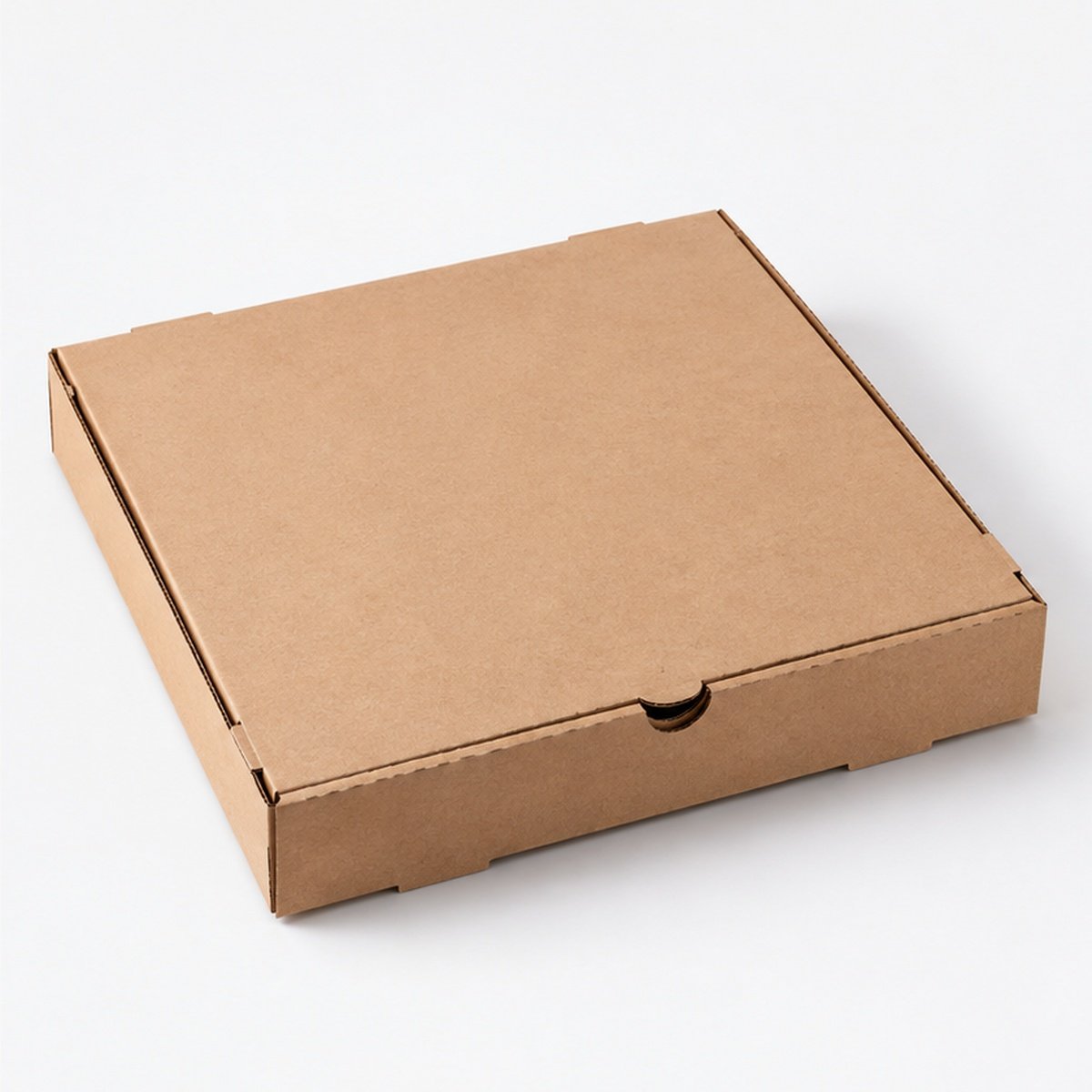
Standard Pizza Boxes
Best for: Regular whole pizzas across a restaurant menu.
Check: Internal fit, fold speed, closure and routine delivery stacking.
Explore Standard Pizza Boxes

Custom corrugated pizza boxes developed around pizza size, product weight, stacking and real takeaway or delivery conditions.
DeChen manufactures custom printed pizza boxes for restaurants, food brands, takeaway programs and distributors, with flexible dimensions, corrugated structures, ventilation and branded printing.
Request a Quote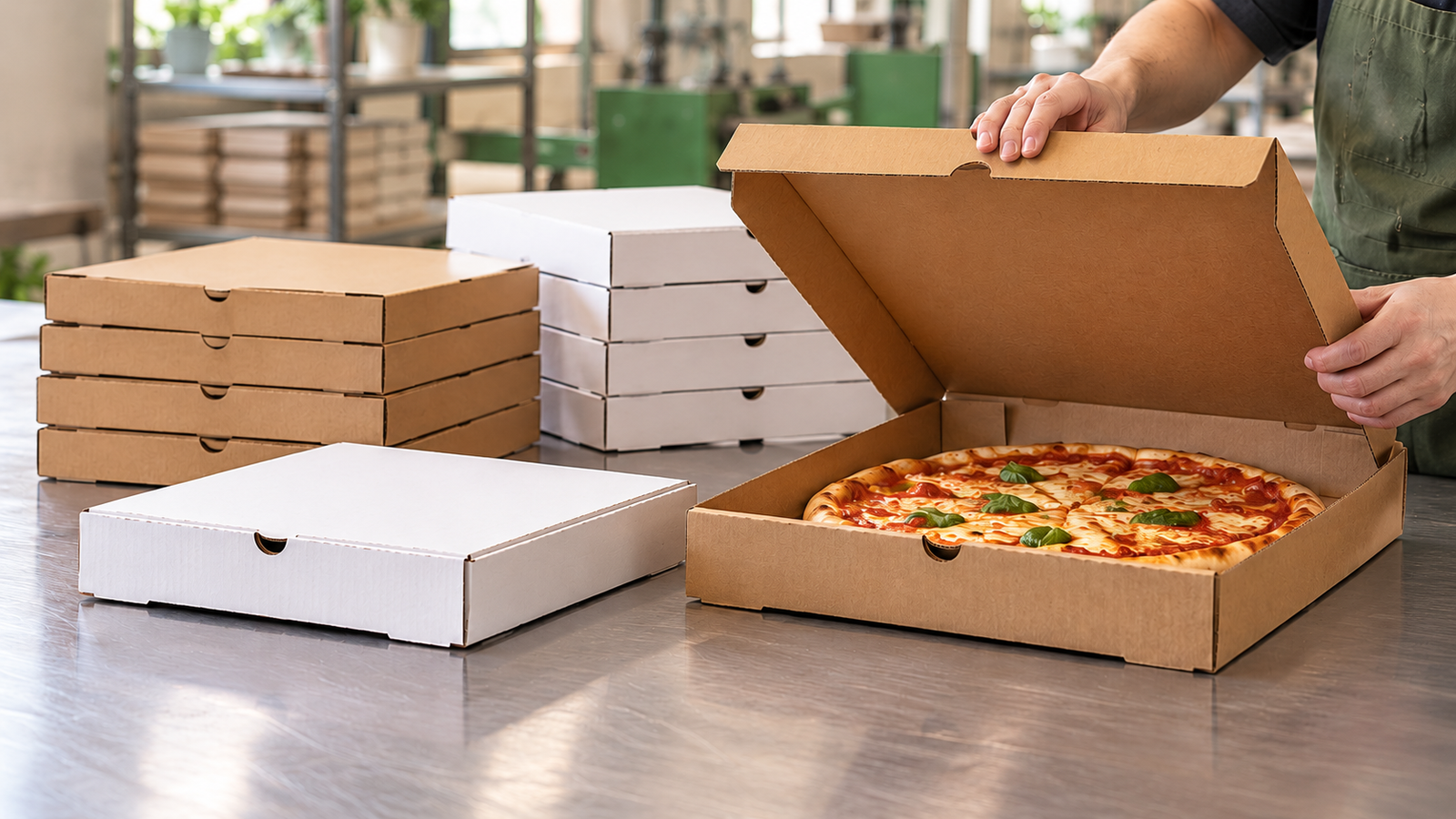
Start with the serving format, then review the structure and delivery conditions. Each box can be sized and printed for your project.
Best for: Regular whole pizzas across a restaurant menu.
Check: Internal fit, fold speed, closure and routine delivery stacking.
Explore Standard Pizza Boxes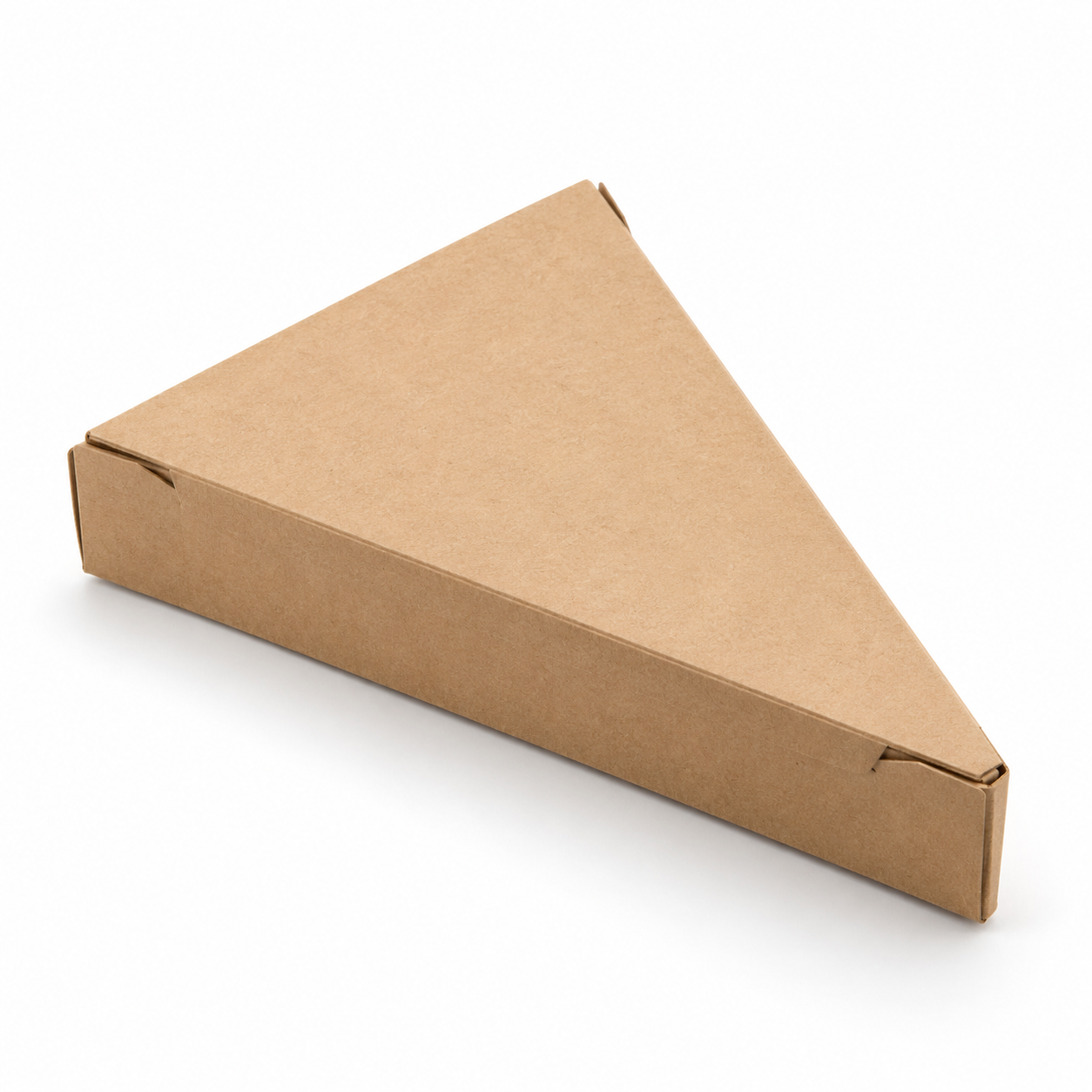
Best for: Individual slices at counters, events and takeaway outlets.
Check: Slice length, topping clearance and quick packing.
Explore Pizza Slice Boxes
Best for: Small whole pizzas and individual portions.
Check: Crust clearance and a secure fit without excess empty space.
Explore Mini Pizza Boxes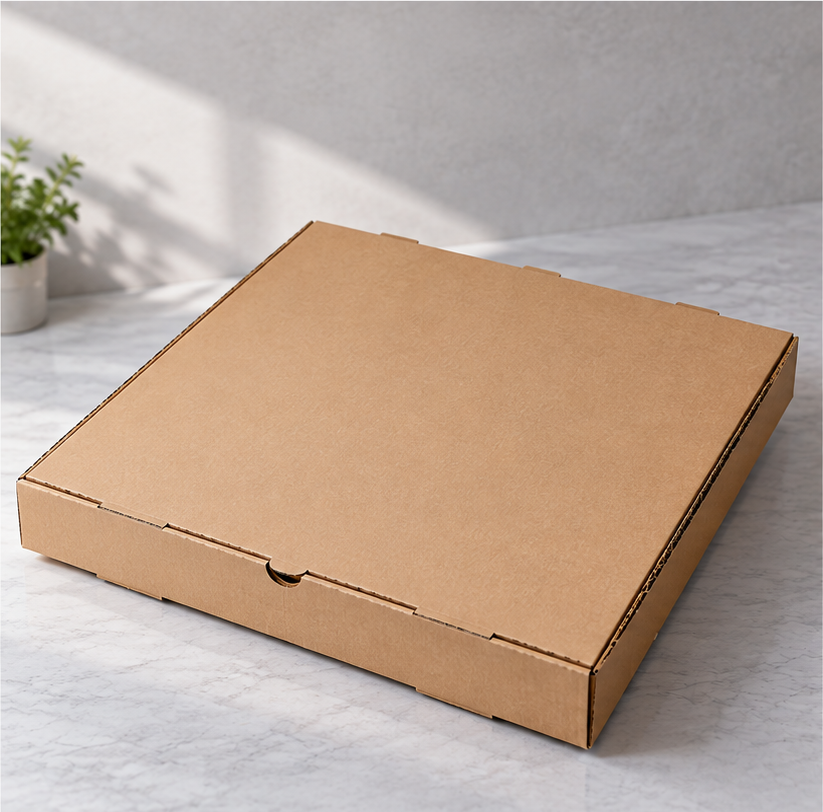
Best for: Oversize or heavier whole pizzas.
Check: Bottom span, product weight, lid clearance and stacked transport.
Explore Large Pizza Boxes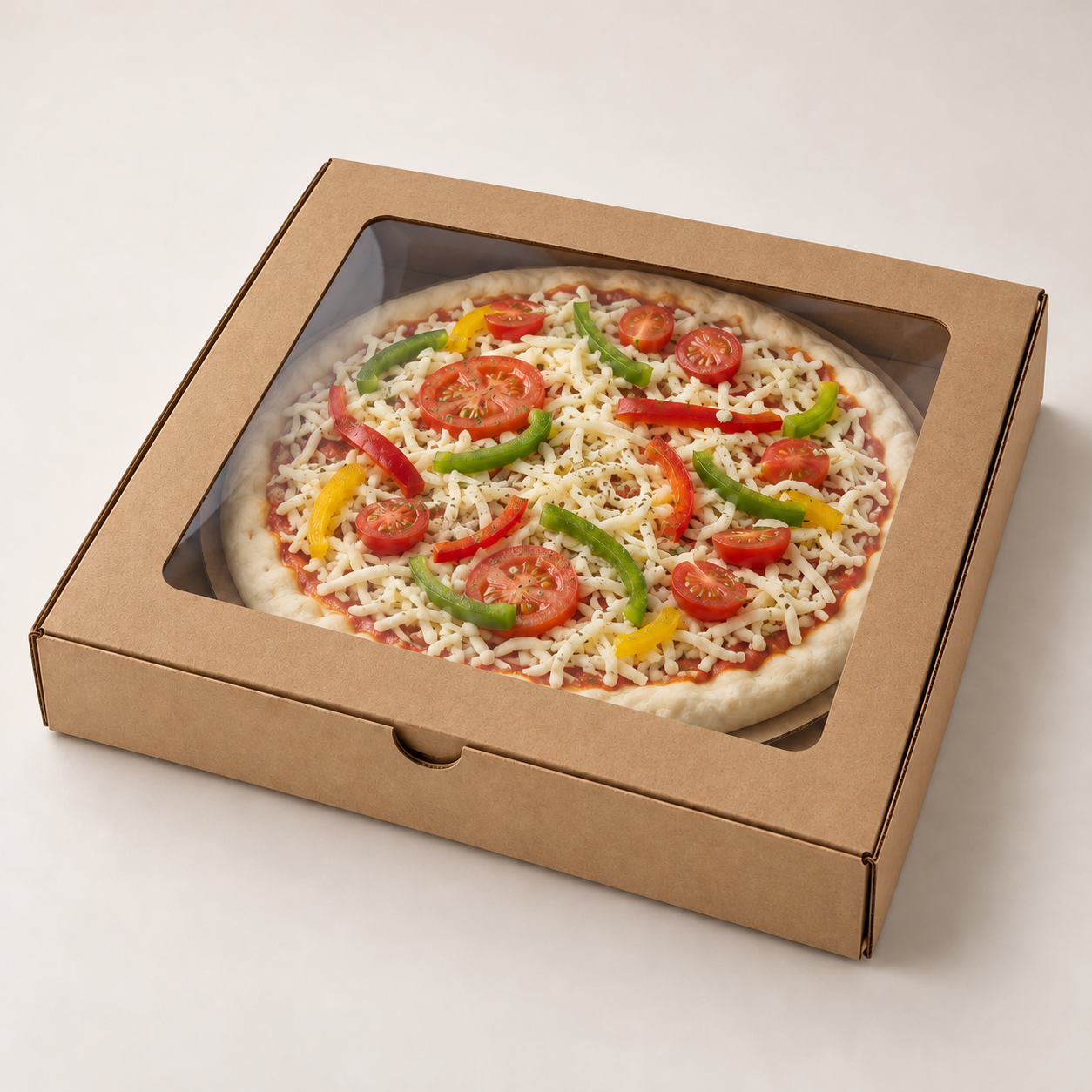
Best for: Prepared pizzas packed for take-home cooking or chilled retail.
Check: Product support, storage conditions and instructions for removing the box before cooking.
Explore Take-and-Bake Pizza Boxes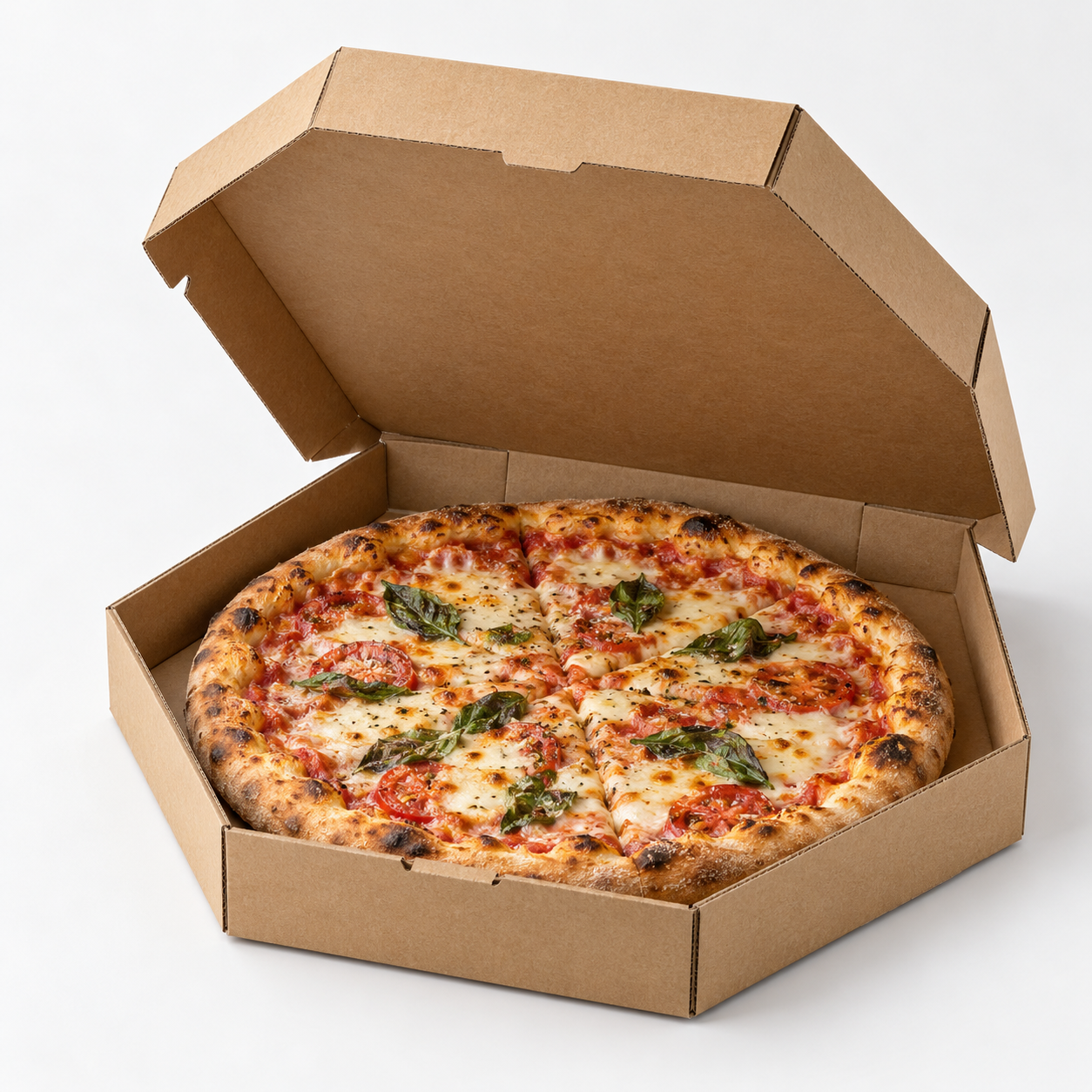
Best for: Rectangular, square or other nonstandard pizza shapes.
Check: Finished length and width, product position and custom die-cut geometry.
Explore Specialty Pizza Boxes
Give us the finished pizza dimensions, including the crust edge and highest toppings. Size the usable inside of the assembled box, then check clearance with a physical sample.
Measure the widest finished diameter, including the crust.
Provide finished length and width at the widest points.
Check the tallest crust or topping against the usable inside depth.
Allow room to load the pizza and close the lid without crushing it.
Send an existing box sample or its internal length × width × depth if you have one. Outer dimensions alone may not describe the usable space.
Flute names alone do not establish strength. The finished board, box dimensions, folds and actual handling conditions need to work together.
E-flute or B-flute may be considered as structural options. We confirm the final construction through a sample under your expected load and workflow.


Pack a representative pizza at its normal serving temperature. Leave it in the box for the actual waiting time and take it through a typical delivery route before approving the sample.
Check for staining, leakage and bottom softening where the food contacts the box.
Check condensation, lid contact with toppings and any change in pizza texture.
Compare vent locations with your delivery time and food quality needs.
Stack as you normally would and inspect the lid, corners and base afterward.
Artwork and surface finish should be reviewed alongside the board, grease exposure, food temperature and intended destination market.
Share your logo or print-ready artwork. We can review CMYK or Pantone color targets. Flexographic, offset or digital printing may be considered according to the approved board, artwork and quantity.
Matte or gloss coatings and decorative finishes can be reviewed for suitable exterior surfaces; they are not automatically appropriate for a food-facing surface.
Confirm which inner liner, coating, insert or other layer may contact the pizza, including grease, moisture, time and temperature conditions.
Any material declaration or test report should match the final material combination and the target market. Discuss the required documents before production approval.
The box photos above help identify a format. The physical sample confirms fit, structure and artwork before bulk production.
Sampling is typically 3–5 days, depending on the structure and print requirements. Send photos of the assembled sample and its fold, closure and inside surface when reviewing it.
Load the actual pizza; check crust space, tallest topping and lid closure.
Time normal folding, filling and closure with the people who will pack it.
Repeat the hot-food wait, route and stacking checks described above.
Review dieline alignment, color and visible exterior surfaces.
Send what you have now. A sample box, product photo or current dieline can help us review the remaining details.
Finished diameter or length × width; tallest point and preferred internal box depth.
Pizza weight, wait and delivery time, stacking count and packing speed.
Estimated order quantity and the format you want from the six options above.
Logo or dieline if available, print colors and the destination market.
Typical custom production starts around 500–1,000 pieces. The final MOQ depends on box dimensions, board construction, print method and whether several sizes share the same artwork.
Sometimes, if the internal clearance still holds each pizza securely and the lid clears the toppings. Send the smallest and largest finished pizzas so both can be checked in a sample.
Yes. Each size needs its own dieline review; artwork placement and color targets can be coordinated across the range.
Yes. Send an assembled box, clear photos and its internal dimensions if available. We can review the structure and identify what is still needed for sampling.
Yes. Vent position and opening size can be evaluated against the pizza, waiting time and delivery conditions. Check a sample with the normal hot product before approving the layout.
Tell us the destination market, the food-facing materials and the expected contact conditions, including temperature, grease and time. Available declarations or tests should be checked against the final approved material combination.
Do not assume a standard pizza box is oven-safe. Oven use would require a separately specified construction and validation for the exact cooking conditions.
Share your pizza dimensions, expected order quantity and reference packaging to start a structural review.