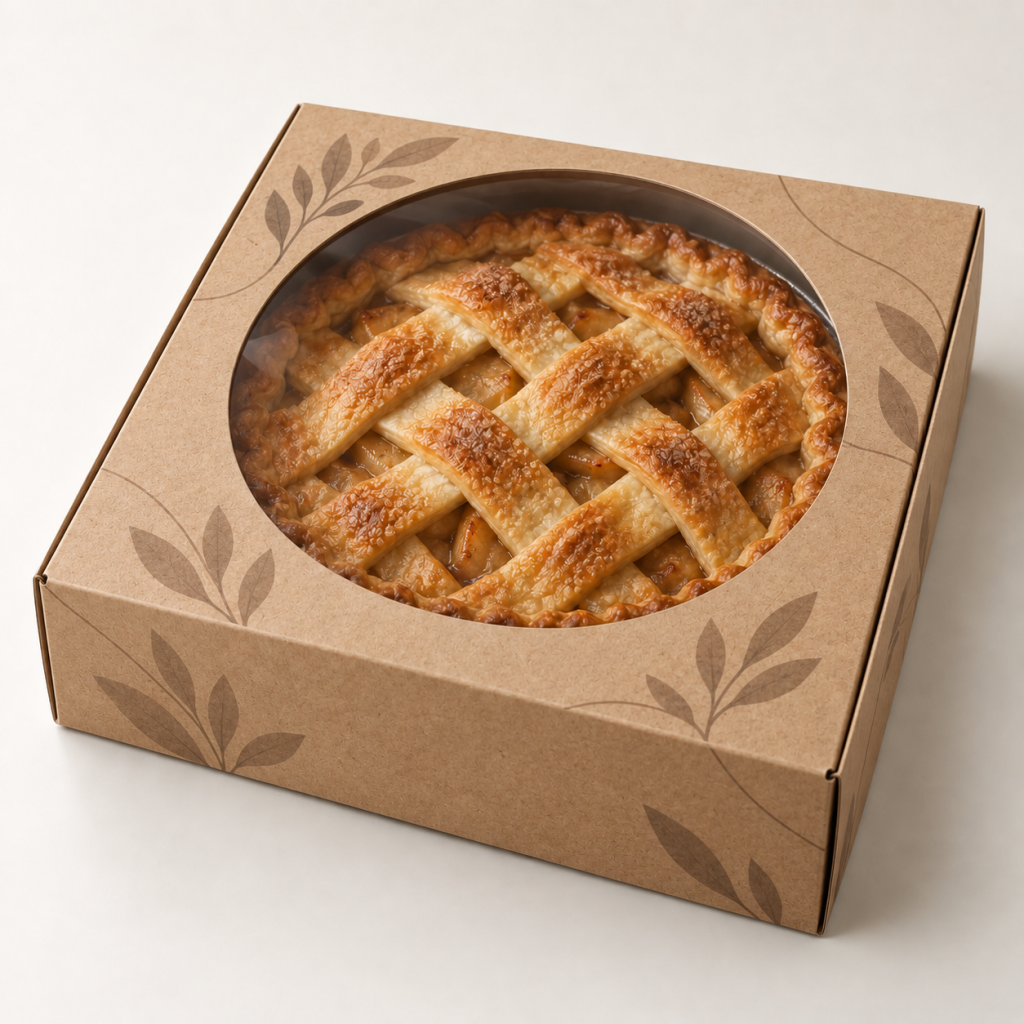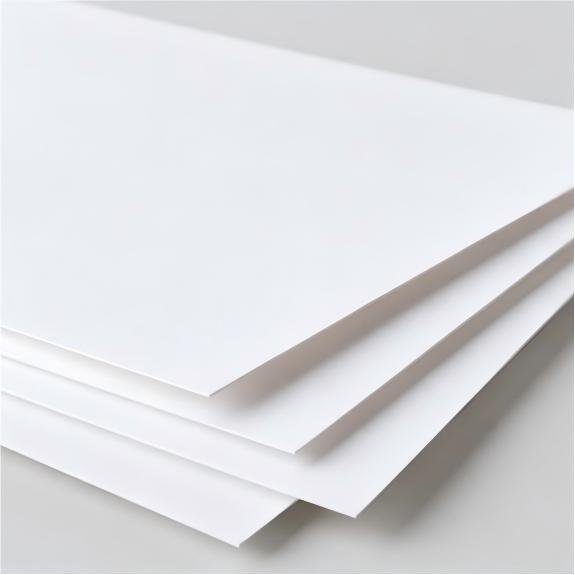
White Paperboard
Smooth printable paperboard for clean graphics and branded packaging.


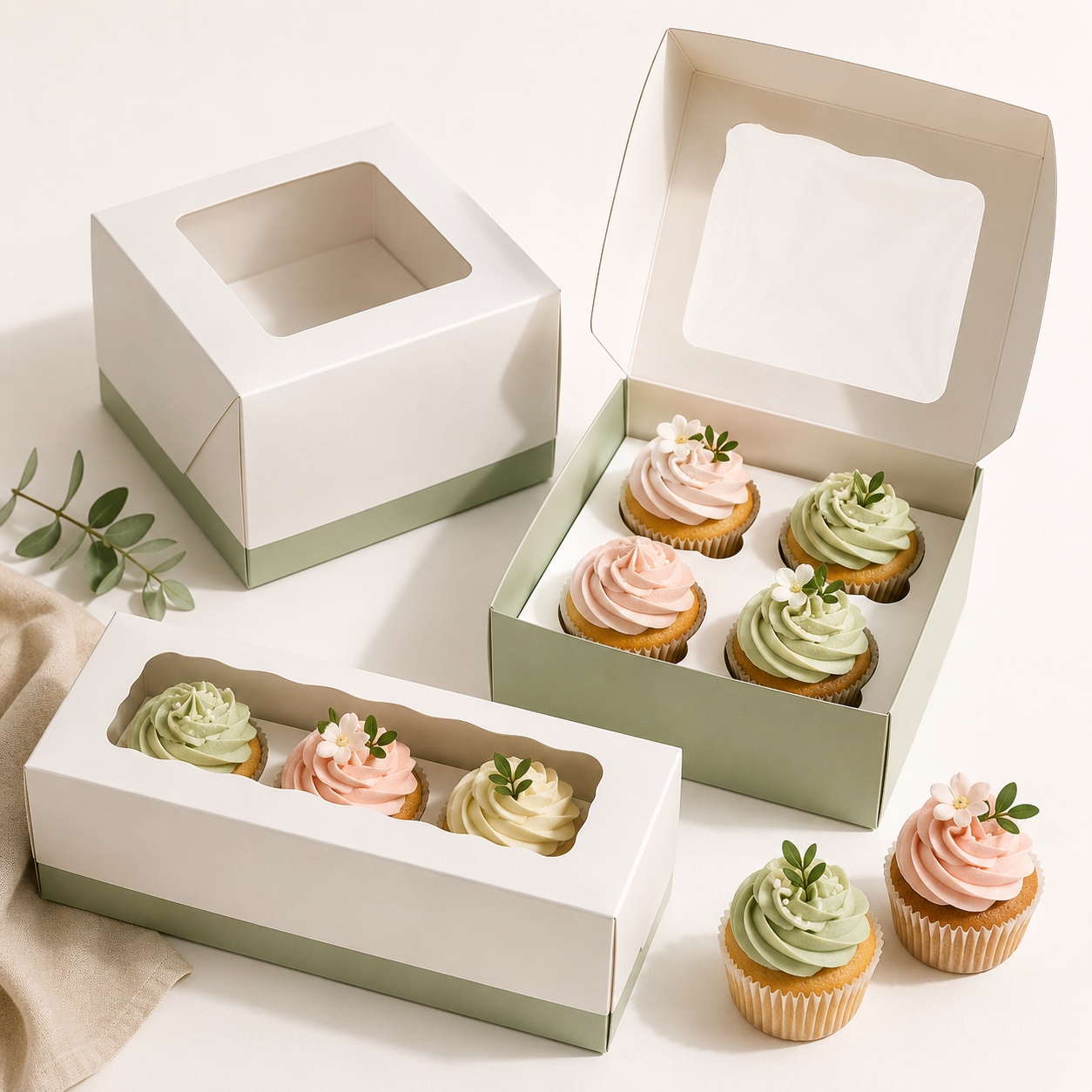
The right custom cupcake boxes should be developed around the cupcakes that will actually go inside them, rather than simply choosing a standard box based on capacity.
Four details have the greatest influence on the final box and insert dimensions:
First decide how many cupcakes need to be packed in each box. Common formats include 1, 2, 4, 6 and 12 cupcakes, while custom layouts can be developed for other quantities.
The insert opening needs to fit the cupcake liner at the point where the insert supports it. This helps position the cupcake while still allowing practical loading and removal.
The distance between cupcakes should be based on the widest point of the finished frosting or decoration, not only the cupcake liner.
The internal box height should be based on the highest point of the finished cupcake, including frosting, decorations and toppers.
Capacity determines the number of cupcake positions inside the box, but it does not determine the final box dimensions by itself.
The basic sizing sequence is:
Cupcake Size → Quantity → Insert Layout → Internal Box Size
For height:
Finished Cupcake Height + Required Top Clearance → Internal Box Height
| Capacity | Common Layout | Typical Application |
|---|---|---|
| 1 Cupcake | Single Position | Individual takeaway or retail sale |
| 2 Cupcakes | 1 × 2 | Small gift or tasting set |
| 4 Cupcakes | 2 × 2 | Small bakery assortment |
| 6 Cupcakes | 2 × 3 | Standard retail pack |
| 12 Cupcakes | 3 × 4 | Larger bakery or event orders |
| Custom | Custom Layout | Mixed assortments, gifting or special orders |
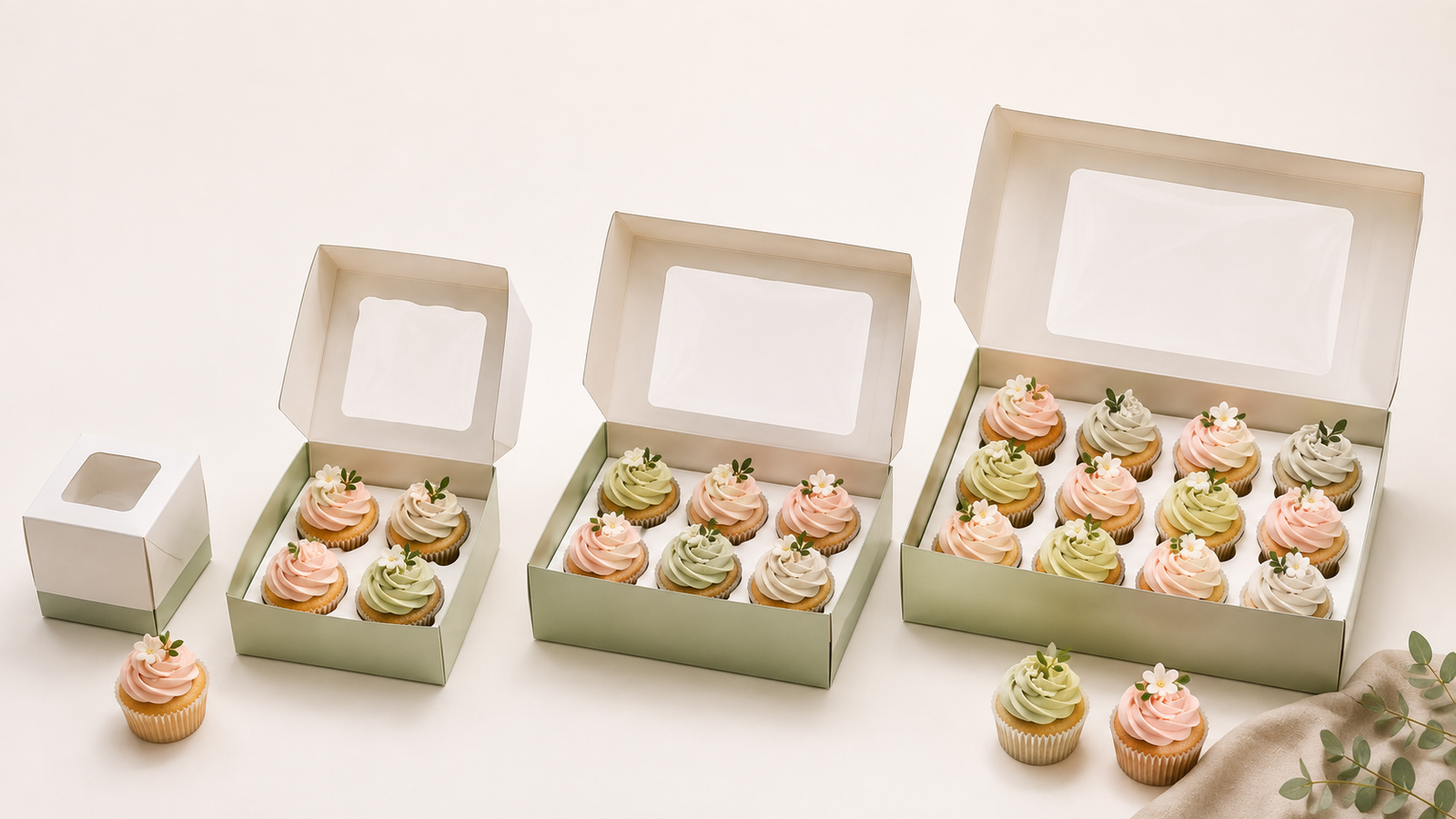
A 6-cupcake box for mini cupcakes can be much smaller than a 6-cupcake box for jumbo cupcakes with wide buttercream frosting. The capacity may be the same, but the product dimensions are not.
Terms such as mini, standard and jumbo are useful starting points, but they are not precise packaging dimensions.
Mini cupcakes generally require smaller insert openings and can often be arranged more closely within the box.
Standard cupcakes commonly work with conventional multi-pack layouts, but the actual liner dimensions should still be confirmed before the insert is finalized.
Jumbo cupcakes normally require a larger insert footprint and more room for frosting or decorations that extend beyond the liner.
For accurate packaging dimensions, measure the actual finished cupcake rather than relying only on the product category.
The insert opening is one of the most important dimensions in cupcake packaging because it determines how the cupcake sits within the pack.
Many cupcake liners are tapered, which means the bottom diameter may be smaller than the diameter where the insert actually supports the cupcake.
For this reason, a better sizing method is:
Cupcake Diameter at Insert Contact Point → Insert Opening Size
The cupcake has more room to move inside the opening, reducing control over its position during normal handling.
The cupcake may be difficult to load or remove, and the paper liner may be compressed.
The objective is to create an opening that provides suitable positioning without making bakery loading unnecessarily difficult.
If you already use a specific cupcake liner, several measurements can help determine the insert more accurately.
Measure the bottom of the cupcake liner as a basic reference.
Measure the width of the liner at approximately the height where the insert is expected to support the cupcake.
The liner height helps establish how the cupcake will sit relative to the insert and outer box.
Measure the widest point after frosting and decorations have been added. This dimension is used primarily to determine the spacing between adjacent cupcakes.
If exact measurements are difficult to provide, the cupcake liner itself, supplier specifications or clear product photos with dimensions can also be used as reference information.
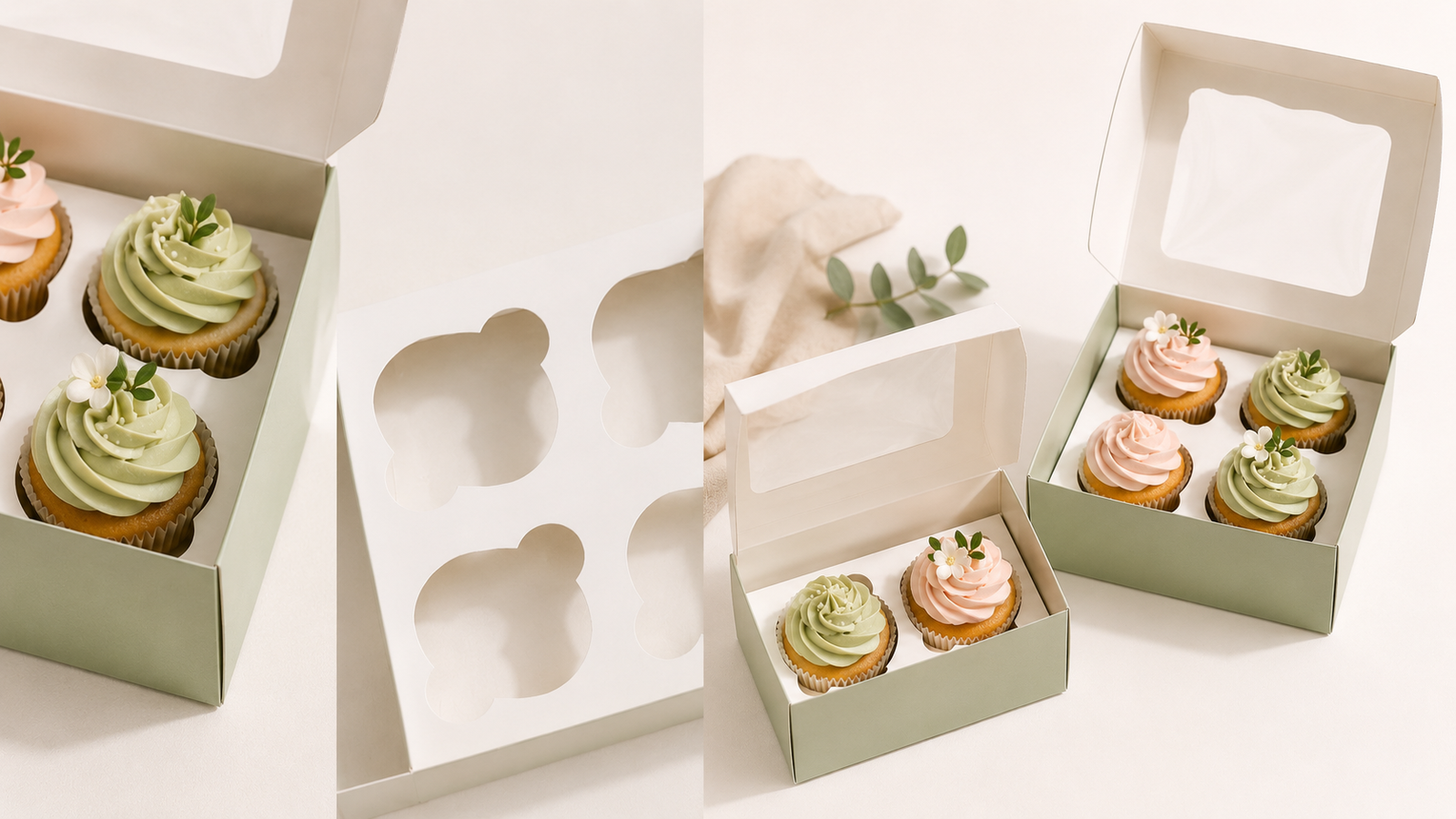
Insert opening size and cupcake spacing solve two different packaging problems.
The insert opening controls how the cupcake is positioned. Spacing determines how much room exists between adjacent finished cupcakes.
For equal-size cupcakes, a useful starting relationship is:
Finished Cupcake Width + Required Gap = Insert Center-to-Center Spacing
This is the widest diameter after frosting and decoration are complete.
This is the clear distance needed between neighboring cupcakes so their decorations are not positioned unnecessarily close together.
Additional spacing may be required for cupcakes with:
Too little spacing can place decorations too close together, while excessive spacing increases the overall box dimensions without adding useful packing space.
The height of a cupcake box should be based on the finished cupcake height.
Finished height means the total measurement from the bottom of the cupcake liner to the highest point of the frosting, decoration or topper.
The basic calculation is:
Finished Cupcake Height + Required Top Clearance = Internal Box Height
When measuring, include:
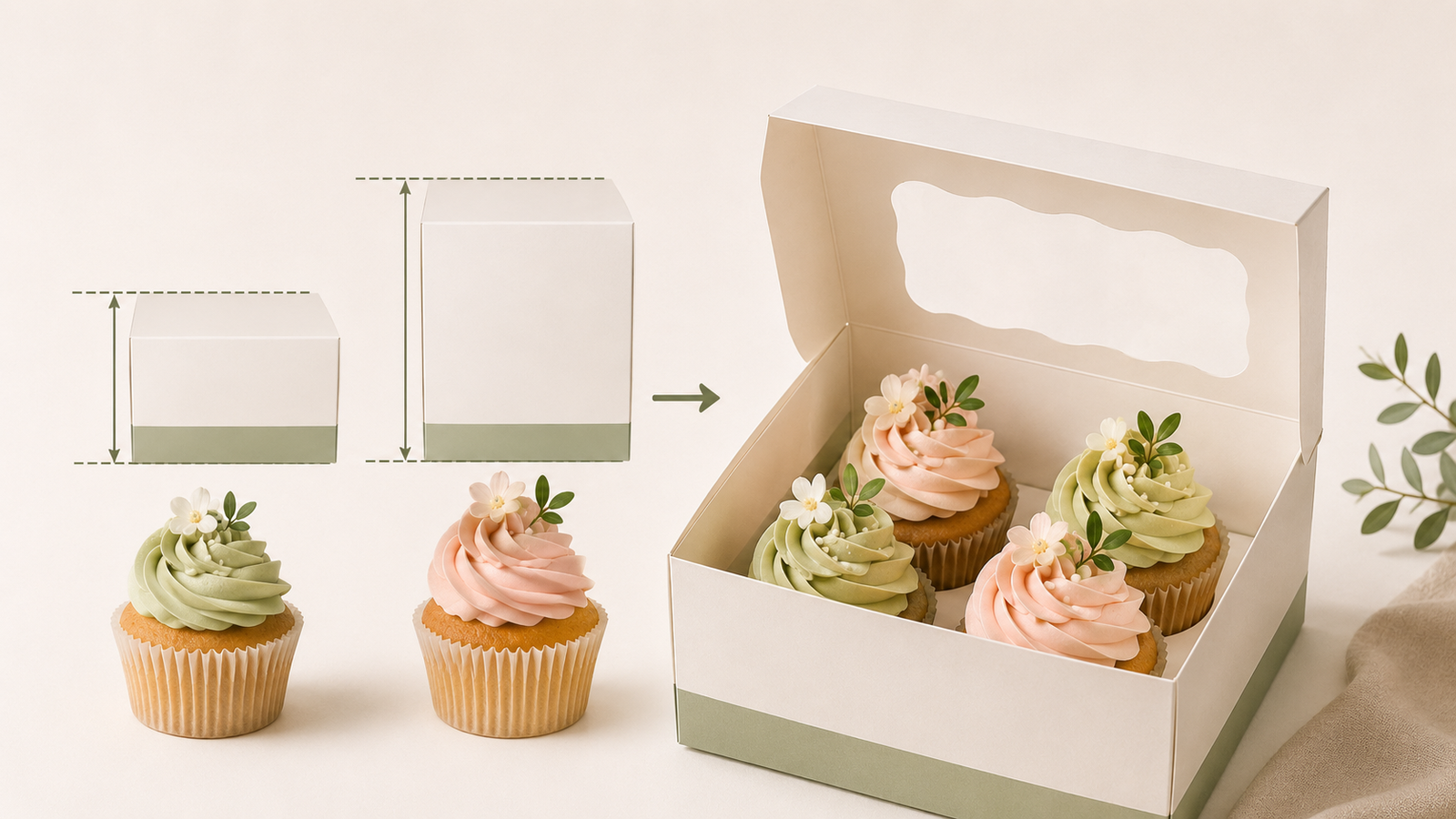
If the cupcake is 2.5 inches high before decoration but reaches 4 inches after frosting, use the 4-inch finished height as the starting measurement for determining the internal box height.
This is why two cupcakes using the same liner can still require different box heights.
A mixed assortment does not always require every insert opening to be identical.
For example, one box may need to hold cupcakes with different:
A custom insert layout can be evaluated for these mixed assortments, with different opening sizes or spacing used where the structure allows.
For mixed packs, provide the dimensions and intended position of each cupcake type so the complete layout can be evaluated before finalizing the box.
| Capacity | 1 / 2 / 4 / 6 / 12 / Custom |
|---|---|
| Box Size | Fully Custom |
| Insert Layout | Fully Custom |
| Insert Opening | Based on cupcake liner dimensions and insert contact position |
| Cupcake Spacing | Based on finished cupcake width and required separation |
| Internal Height | Based on finished cupcake height |
| Cupcake Type | Mini / Standard / Jumbo / Custom |
| MOQ | Typically 500–1,000 pcs depending on project requirements |
| Artwork Files | AI / PDF / CDR |
For custom cupcake boxes, a physical sample is useful for checking how the cupcake, insert and outer box work together before bulk production.
The sample can be used to check:
Typical sample time: 3–5 days.
If possible, test the sample using the actual cupcake liner or finished product dimensions.
Bulk production normally begins after the sample and final production specifications have been confirmed.
You do not need to know the finished box size or insert opening before requesting a quotation.
For most custom cupcake boxes, the following information is enough to begin the structural evaluation.
If you only know the cupcake dimensions and quantity per box, that is enough to start. The insert opening, spacing and finished box dimensions can be evaluated from the information you provide.
Major packaging production processes are managed within our own manufacturing operation.
The outer box and cupcake insert can be developed as one packaging system rather than as unrelated components.
Physical sampling allows the fit and structure to be checked before bulk manufacturing begins.
Once the structure and production specifications are confirmed, they can be used as the basis for repeat production requirements.
The typical MOQ is 500–1,000 pcs, depending on the dimensions, insert structure and project requirements.
Yes. You can provide an existing box, insert, dieline, physical sample or clear reference photos for evaluation.
Yes. Send us the insert dimensions, physical sample or dieline so the outer box can be developed around the existing insert.
Yes. Liner dimensions are a useful starting point. For better accuracy, also provide the maximum finished width and total height after frosting and decoration.
Yes. Once the required dimensions and structure have been confirmed, the corresponding dieline can be prepared for artwork placement.
Send us the cupcake information you already have. We can help determine the appropriate insert opening, cupcake spacing, layout and finished box dimensions before sampling.
Smooth printable paperboard for clean graphics and branded packaging.
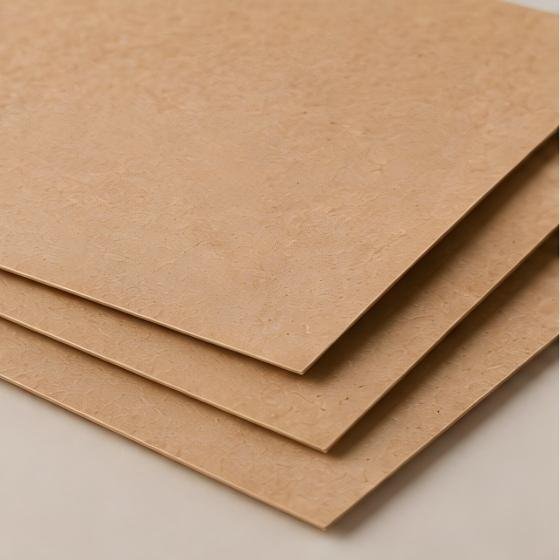
Natural brown paperboard for simple, natural and retail packaging designs.
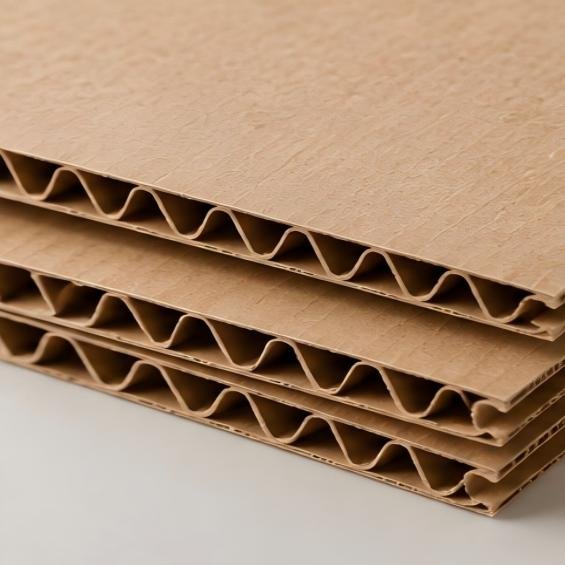
Fluted board construction provides additional rigidity and protection.
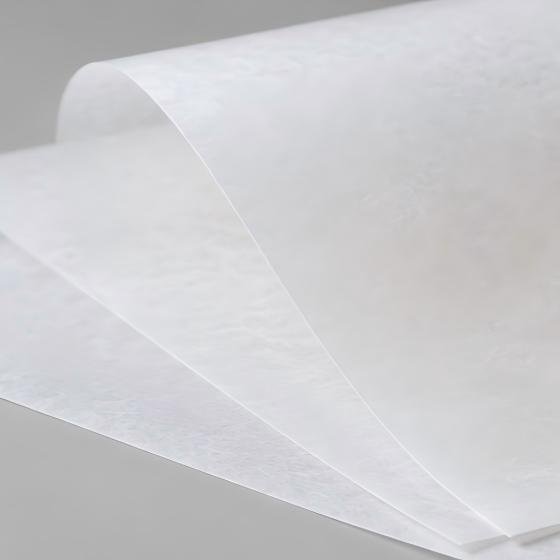
Paperboard designed to provide added resistance to grease and food oils.

Recycled fiber paperboard for secondary and resource-conscious packaging.
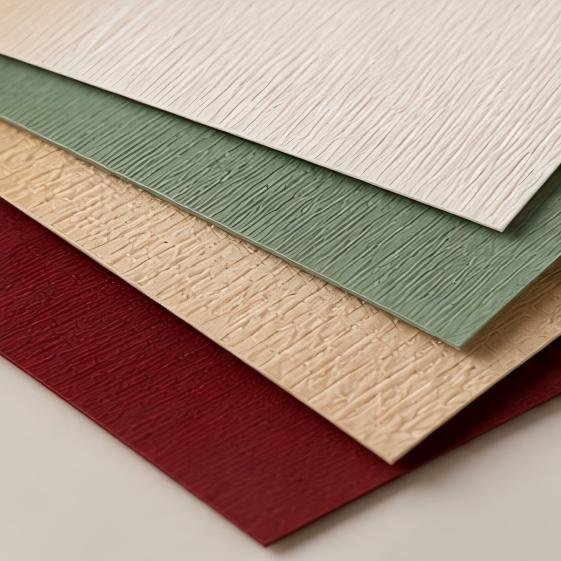
Textured specialty papers for distinctive premium packaging presentation.

Dark paperboard suited to luxury packaging and premium decorative finishes.

Decorative metallic paper for reflective and premium packaging presentation.

Metallic gold details highlight logos, graphics and decorative elements.
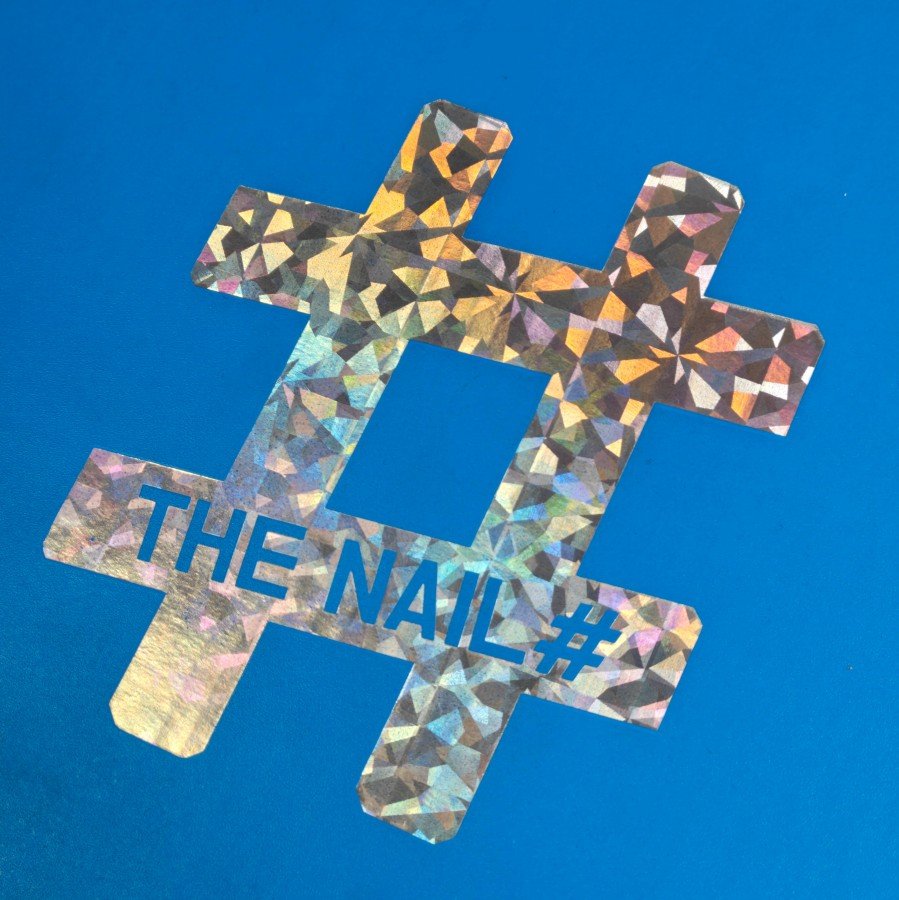
Reflective holographic foil creates changing colors and eye-catching effects.

Raised or recessed details add tactile depth to logos and graphic elements.

Glossy or matte surfaces control shine, texture and overall presentation.

Selective gloss highlights create contrast across printed packaging surfaces.

UV printing delivers sharp graphics and controlled surface effects.

Multi-level raised details create stronger depth and sculpted tactile effects.
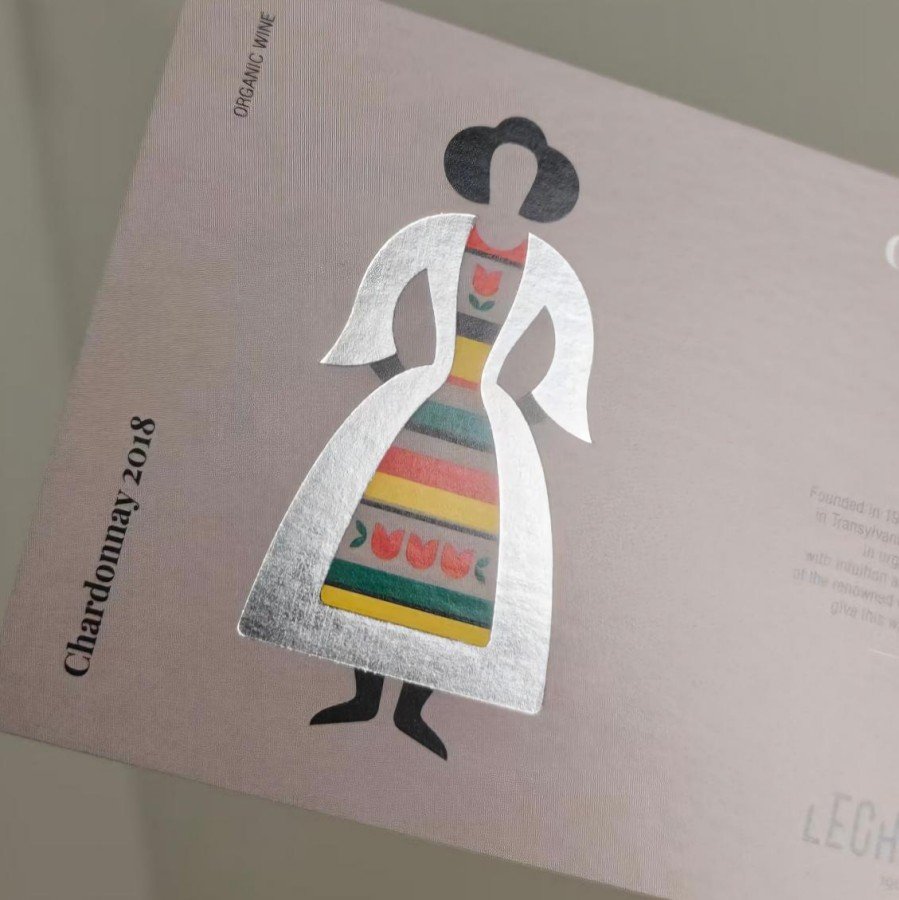
Metallic silver foil creates clean reflective accents for premium branding.