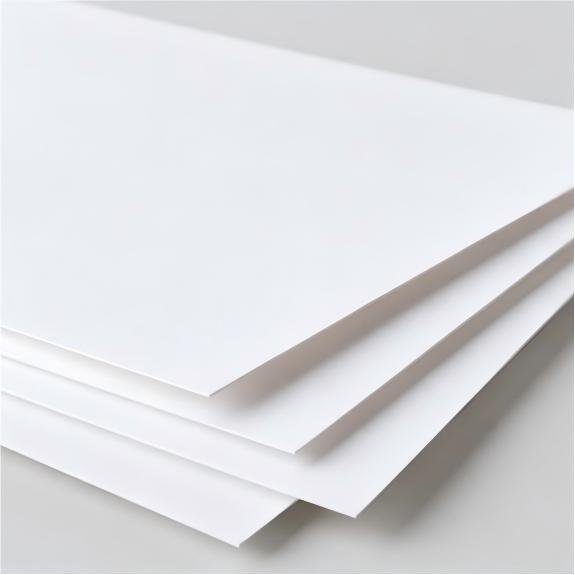
White Paperboard
Smooth printable paperboard for clean graphics and branded packaging.



Nominal capacity provides a useful reference, but it does not tell the complete story.
Different foods occupy the same internal volume in different ways.
For example:
The box should therefore be reviewed according to:
A box that appears large enough by capacity may still be difficult to close if the meal remains bulky near the top.
Nominal capacity provides the reference. The actual packed meal defines the usable box size.
If one box will serve several menu items, the bulkiest and highest portion should be checked before finalizing the dimensions.
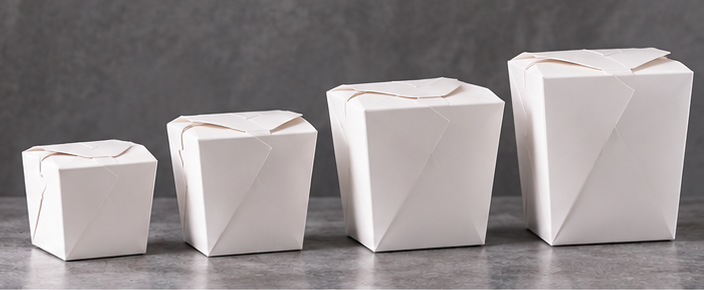
The fold-top structure is one of the defining features of Chinese takeout boxes.
The top panels need usable space to fold inward, overlap and engage without pressing directly into the food.
This means the total internal volume is not the same as the practical filling volume.
Overfilling can cause:
The highest packed point should therefore be checked after the meal is portioned into the box.
This is especially important for:
Excessive empty space is also unnecessary.
The objective is practical closure clearance while keeping the box appropriately sized for the portion.
Chinese takeout boxes often use a folded base structure that forms the lower container from a continuous blank.
This can reduce exposed seam paths compared with structures that use open corner cuts.
However, suitability still depends on the food condition and selected board structure.
The base should be reviewed according to:
Dense dishes such as fried rice create a relatively concentrated load.
Sauced dishes may place more moisture around the lower folds and corners.
The most exposed areas often include:
An empty box may feel rigid but behave differently after hot food, sauce and weight are added.
The base should therefore be evaluated under the intended food and holding conditions rather than judged only when empty.

Different menu items create different packaging priorities.
| Food Profile | Main Packaging Concern | What to Review |
|---|---|---|
| Fried Rice | Dense filled load | Portion weight, base condition and usable volume |
| Stir-Fried Noodles | Higher filling volume | Internal height and fold-top clearance |
| Sauced Chicken or Beef | Sauce contact | Bottom folds, corners and closure area |
| Stir-Fried Vegetables | Irregular food height | Filled height and top clearance |
| Dumplings | Shape compression | Internal footprint and movement |
| Fried Sides | Trapped moisture | Ventilation if required |
| Mixed Takeout Meal | Combined load | Weight distribution, filled height and closure |
| Soup or Broth | Free-flowing liquid | Consider a dedicated liquid-food container |
These are packaging considerations rather than fixed size recommendations.
A folding Chinese takeout box should not automatically be treated as suitable for free-flowing soup or broth.
Liquid-heavy foods may require another container format with a closure specifically intended for that application.
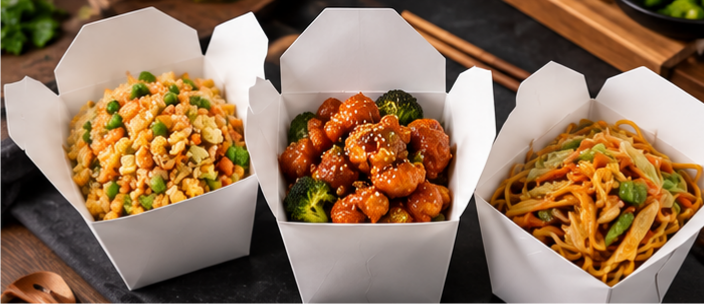
Chinese takeout boxes can be developed with different handle formats depending on how the meal is carried and packed.
A handle-free format may be preferred when:
Microwave suitability should still be confirmed according to the final board, coating, adhesive and print specification.
A paper handle can be considered when direct hand carrying is required but a metal component is not preferred.
The handle should be evaluated according to:
A wire handle provides the classic Chinese takeout presentation and can support direct carrying.
However, it can affect stacking and reheating considerations.
If reheating is expected, the customer should follow the requirements of the final packaging specification and remove metal components where required.
Handle selection should follow the service method rather than being treated as a purely decorative option.
Chinese takeout boxes are generally carried upright, so the relationship between filled height, base footprint and weight distribution matters.
A tall box with a relatively narrow base may behave differently from a wider, lower format even when the nominal capacity is similar.
Review:
Dense food concentrated toward one side can change the balance of the package.
The goal is not to claim that the box cannot tip, but to select proportions that remain practical under the intended handling conditions.
If multiple filled boxes are normally carried together, the intended bag arrangement should also be reproduced during sampling.
Chinese takeout boxes are often used in fast-moving kitchens where packing speed and consistency matter.
The structure should therefore be practical for repeated filling and closing during peak service.
Review:
A narrow opening may make scooping more difficult.
A box filled too close to the top may force staff to push food downward before closing.
The goal is a structure that remains straightforward to fill and close after the actual meal has been added.
Where ventilation is required for fried foods or other moisture-sensitive menu items, optional vent openings can be considered according to the application.
Ventilation should be balanced against heat loss rather than treated as a standard feature for every takeout box.
Physical sampling is the most reliable way to confirm the final structure before bulk production.
Confirm:
Review:
After the expected holding period, inspect:
Carry the filled package as it will normally be handled and review:
If one box will serve several dishes, test the bulkiest, heaviest, highest and most sauce-intensive menu items before approving one shared size.
To develop an accurate specification, provide:
If available, include a photo of the filled meal, a photo of the closed package, current box dimensions and any recurring issues such as difficult closing, base softening or excessive movement.
These details help determine the appropriate usable volume, fold-top clearance, base structure and handle direction before sampling.
Start with the actual food portion, filled height, weight and sauce condition. Nominal capacity is useful for comparison, but it should not be the only sizing factor.
The actual filled portion provides a more accurate basis because food density, shape and height can change how much usable space remains below the fold-top closure.
Enough space should remain for the top panels to fold and engage without unnecessarily compressing the food. The required clearance depends on the meal and box structure.
They can be suitable for many sauced dishes, depending on sauce quantity, consistency, holding time and the selected structure. The intended food should be tested with a sample.
A standard folding takeout box should not automatically be considered suitable for free-flowing liquids. Soup and broth may require a dedicated liquid-food container with an appropriate lid.
Sometimes. The dishes should have compatible filled heights, weights and closure requirements. The bulkiest and most demanding menu item should be tested first.
Handle-free, paper-handle and wire-handle directions can be reviewed according to the required structure and carrying method.
Optional vent openings can be considered where trapped moisture is a concern. Their size and position should be evaluated together with heat retention and box structure.
Custom Chinese Takeout Boxes should be developed around how the food is filled, closed, held and carried.
A reliable specification starts with:
actual filled volume + fold-top clearance + sauce condition + upright stability
These factors provide a stronger basis for packaging development than selecting a generic box by nominal capacity alone.
Get a Custom Quote for Chinese Takeout Boxes
Smooth printable paperboard for clean graphics and branded packaging.
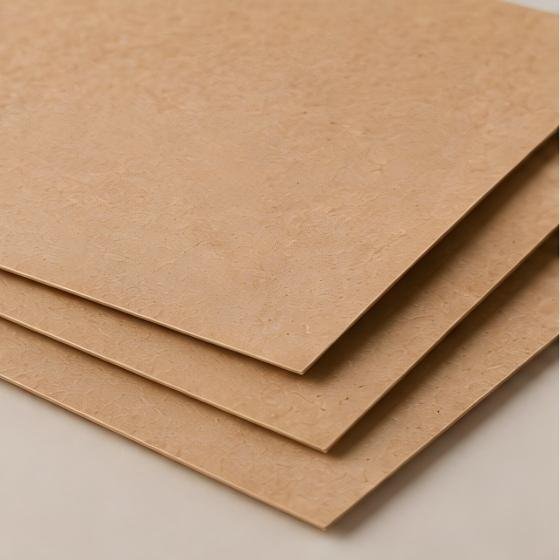
Natural brown paperboard for simple, natural and retail packaging designs.
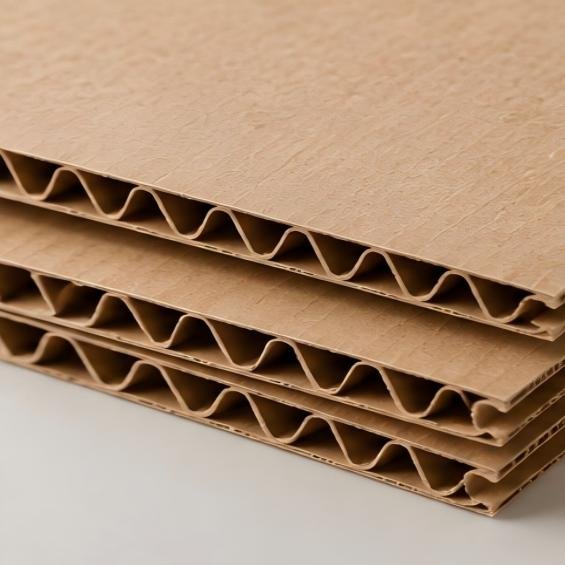
Fluted board construction provides additional rigidity and protection.
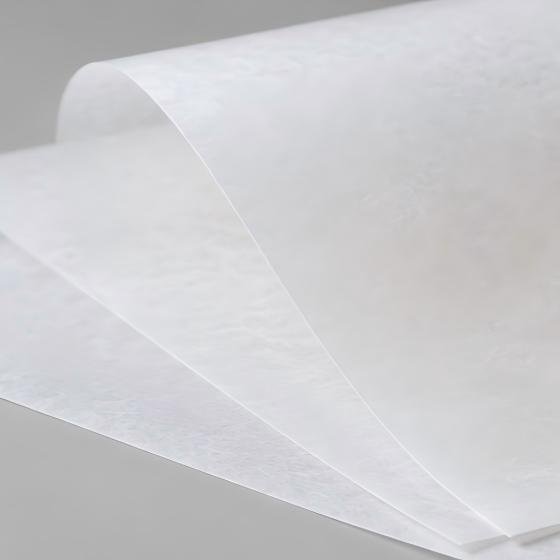
Paperboard designed to provide added resistance to grease and food oils.

Recycled fiber paperboard for secondary and resource-conscious packaging.
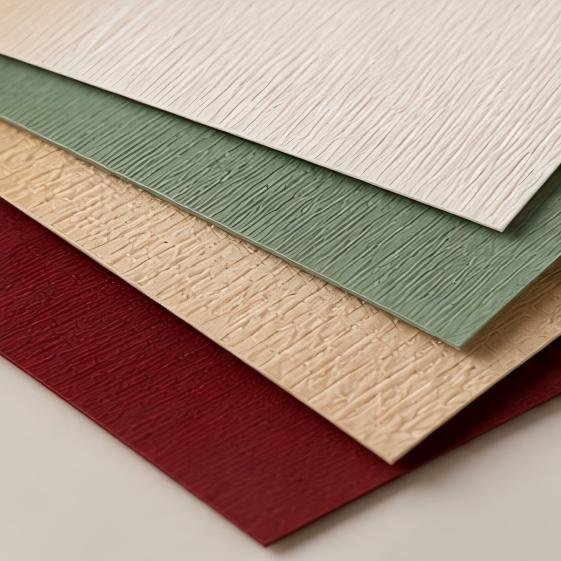
Textured specialty papers for distinctive premium packaging presentation.

Dark paperboard suited to luxury packaging and premium decorative finishes.

Decorative metallic paper for reflective and premium packaging presentation.

Metallic gold details highlight logos, graphics and decorative elements.

Reflective holographic foil creates changing colors and eye-catching effects.

Raised or recessed details add tactile depth to logos and graphic elements.

Glossy or matte surfaces control shine, texture and overall presentation.

Selective gloss highlights create contrast across printed packaging surfaces.

UV printing delivers sharp graphics and controlled surface effects.

Multi-level raised details create stronger depth and sculpted tactile effects.

Metallic silver foil creates clean reflective accents for premium branding.